allisles.com
Nevis
allisles.com
Nevis
Nevis: Complete Caribbean Travel Guide
Visa Free
Last updated:
Quick Facts
- Visa Required: No (visa free for most nationalities)
- Currency: East Caribbean dollar (XCD)
- Language: English
- Best Months: December, January, February, March, April, May
- Average Temperature: 27.3°C (81°F)
- Nearest Airport: Vance W. Amory International Airport (NEV)
About Nevis
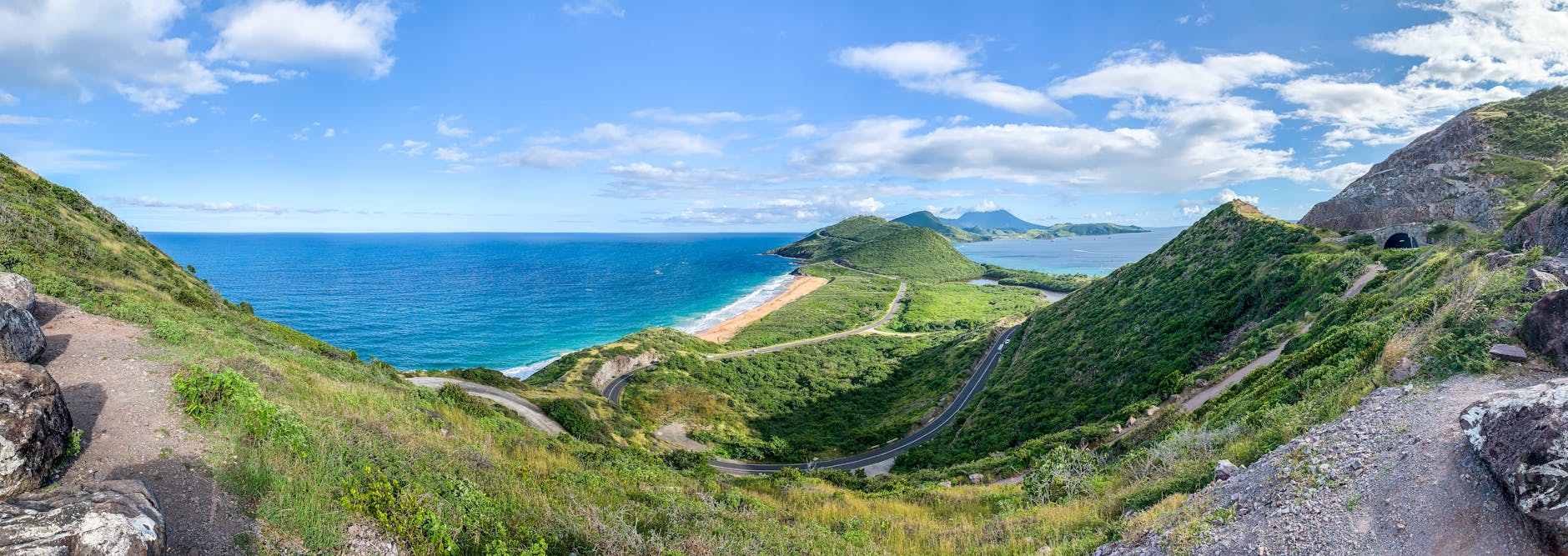
Nevis is a small island in the Lesser Antilles, part of Saint Kitts and Nevis. The island covers 93 square kilometers and has a population of 12,000 people. Located at coordinates 17.15°N and 62.5833°W, Nevis sits in the eastern Caribbean Sea. This Nevis overview will help you understand what makes this destination special for travelers seeking authentic Caribbean experiences.
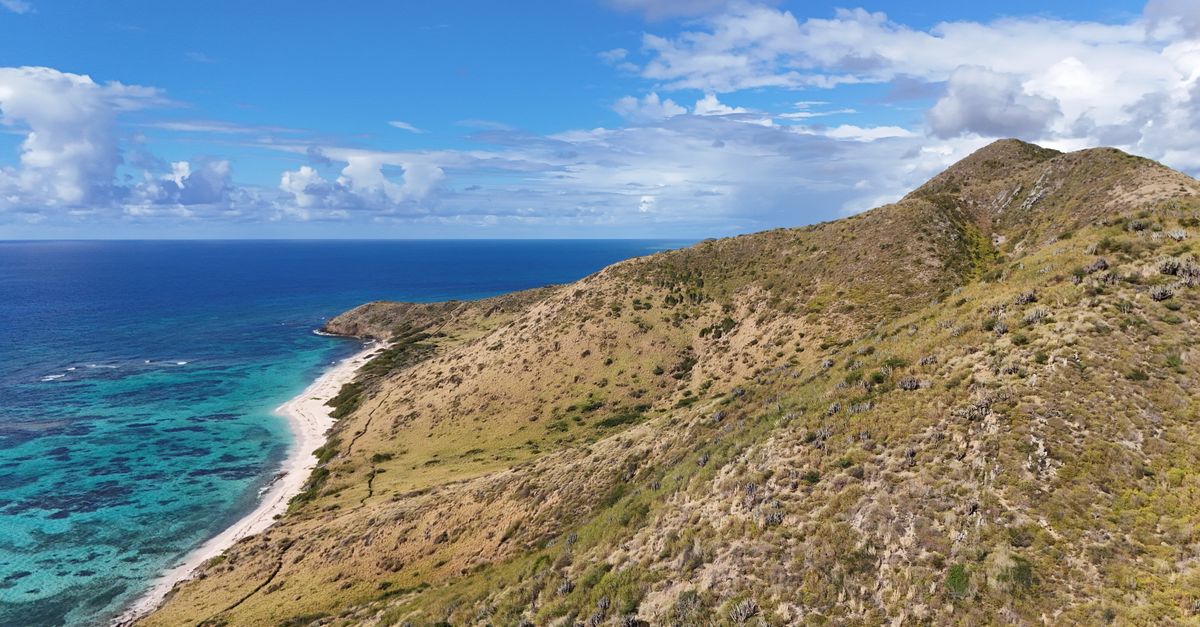
The island rises dramatically from the sea with Nevis Peak dominating the skyline at 985 meters. Dense tropical forests cover much of the interior. Colorful colonial architecture dots the towns and villages. Sugar plantations once defined the economy, and historic plantation estates remain today as cultural landmarks.
English is the official language, making communication easy for most visitors. The East Caribbean dollar is the local currency, though many businesses accept US dollars. The timezone is America/St_Kitts, which is Atlantic Standard Time year-round with no daylight saving time. Most tourists never experience crowds here because the island welcomes only a limited number of visitors annually compared to larger Caribbean destinations.
Why Visit Nevis

Best forcouples seeking romancefamilies wanting adventuresolo travelers pursuing peaceluxury travelers wanting exclusivitybudget travelers preferring quiet destinations
Nevis offers authentic Caribbean culture without the crowds of major islands. You will find plantation hotels, historic ruins, and genuine local hospitality. The island attracts visitors who value experience over entertainment infrastructure. Sugar plantations converted into boutique hotels provide intimate accommodations with character.
Scuba diving ranks among the island's best activities. Divers explore underwater shipwrecks and coral reefs teeming with tropical fish. The warm Caribbean waters stay suitable for diving year-round. Local dive operators offer trips to popular sites like Redonda Island and the wreck of the RMS Carb.
Hiking to Nevis Peak provides spectacular views across the Caribbean. The three-hour summit trail challenges visitors with steep sections but rewards them with 360-degree vistas. Climbers start early morning from Gingerland, ascending through cloud forests and volcanic terrain. At the peak, you see both Nevis and neighboring Saint Kitts clearly on clear days.
The island features excellent beaches with calm, warm waters. Pinney's Beach stretches for five kilometers along the west coast with soft sand and shallow entry points. Oualie Beach offers watersports and beach bars. Newcastle Beach provides a quieter alternative near the north. Coral Reef Underwater Park near Pinney's Beach protects marine life and welcomes snorkelers exploring the living reef.
PRO TIP: Visit during the dry season from December through May for the best weather and most stable conditions for water activities.
Nevis for Families
Best forfamilies with children of all agesmulti-generational tripsparents seeking relaxation and kid-friendly activities
Families appreciate Nevis for its safe, calm environment and manageable size. The island measures only 18 kilometers at its longest point, so driving time between attractions never exceeds 30 minutes. Local people are genuinely friendly toward families, and violent crime against tourists is extremely rare.
Pinney's Beach offers perfect conditions for young children. Shallow waters extend far from shore, and the beach remains protected from strong Atlantic swells. Families should visit in the morning when the beach is calmest. Bring reef shoes to protect feet from coral and sea urchins. The nearby Sunshine's Beach Bar serves lunch and cold drinks without requiring families to leave the beach.
The Botanical Gardens of Nevis near Gingerland provides a shaded, quiet environment for families. Walking paths meander through tropical plants, flowers, and trees. Children enjoy spotting birds and tropical insects. The gardens remain open year-round with affordable admission fees. Plan to spend 1 to 2 hours exploring at a leisurely pace suitable for mixed ages.
Snorkeling at Coral Reef Underwater Park introduces children to marine life in controlled, shallow conditions. Local guides ensure safety and help children feel comfortable in the water. Colorful fish and coral formations delight young explorers. Adults and children explore together, making it an inclusive family activity that creates lasting memories.
Horseback riding through plantation trails and beach areas appeals to families with older children. Local operators offer guided rides suitable for beginners. Riders explore historic sugar plantation estates and ride along beaches with views of Saint Kitts across the water. Most operations require children to be at least 10 years old, though some accommodate younger riders on calm, experienced horses.
Nevis for Couples
Best forhoneymoonersromantic getawaysanniversary celebrationscouples seeking intimate experiences without large crowds
Couples choose Nevis for romantic seclusion and authentic experiences away from resort crowds. Plantation inns provide charming, intimate settings with personalized service. Many small hotels offer only 10 to 20 rooms, ensuring privacy and attention. Owners often provide restaurant recommendations and activity suggestions based on personal experience.
Sunset watching from Oualie Beach becomes a couple's ritual. The western beach faces directly into the Caribbean sunset, creating golden light and romantic atmosphere. food-Restaurants near the beach serve dinner and drinks perfect for couples wanting to extend the sunset experience. Bring a light wrap because Caribbean breezes cool quickly after sunset.
Private island excursions to nearby cays appeal to couples seeking adventure and solitude. Local boat operators arrange custom trips to secluded beaches on uninhabited islands. These full-day excursions include snorkeling, beach walks, and picnic lunches on private stretches of sand. Couples enjoy the day completely alone without other tourists.
Hiking Nevis Peak together creates a shared achievement couples remember forever. Starting before dawn means reaching the summit as the sun rises, painting the sky in oranges and pinks. Couples celebrating anniversaries often choose this symbolic climb. The three-hour ascent requires moderate fitness but rewards participants with unmatched views and personal accomplishment.
Couples' spa treatments at plantation hotels provide relaxation between activities. Therapists offer massage and wellness services in private settings overlooking gardens or ocean views. Many hotels arrange couples' packages including massage, dinner, and room amenities. Book treatments in advance, as smaller hotels have limited spa availability.
PRO TIP: Book plantation hotels directly rather than through booking websites to access special couple packages and personalized service from owners who love sharing their island home.
Nevis for Solo Travelers
Best forsolo adventurersself-discovery seekersbudget-conscious travelerspeople escaping stress and routine
Solo travelers find Nevis welcoming and safe for independent exploration. The island's small size means you cannot get seriously lost. English-speaking locals offer directions and genuine conversation. Solo travelers often connect with other guests at plantation hotel dining areas, creating organic travel friendships without forced socializing.
Hiking Nevis Peak works perfectly for solo travelers seeking personal challenge and reflection. The well-marked trail starts from Gingerland village, and guides are available if you prefer company. Many solo hikers use the climb as meditation, enjoying quiet time in nature with their thoughts. The achievement of reaching the summit alone feels deeply personal.
Diving attracts solo travelers seeking underwater adventure. Local dive operators welcome solo divers and pair them with other guests, creating instant diving friendships. Beginner certification courses accept solo students and teach diving skills in an inclusive atmosphere. The dive community at Nevis is small and welcoming, with instructors who remember returning visitors by name.
Renting a car or scooter enables solo travelers to explore at their own pace. Roads are well-maintained and traffic is light, making driving comfortable for solo explorers. Small villages like Gingerland, Charlestown, and Newcastle reveal local life away from tourist areas. Stop at roadside rum shops where locals gather, and you will hear honest stories about island life.
Volunteering opportunities exist at community organizations and environmental groups. Short-term volunteers assist with conservation projects, teaching initiatives, and local development work. These experiences provide purpose, meaningful connection, and perspectives beyond typical tourism. Contact the Nevis Tourism Authority for current volunteer opportunities when planning your trip.
Best Time To Visit Nevis

The best months to visit Nevis are December through May. These months offer the driest weather, lowest hurricane risk, and calmest seas. Trade winds keep temperatures pleasant without excessive heat. Humidity remains lower than during summer months. Most tourists visit during these peak season months, so accommodations fill quickly.
December through January attracts the largest number of visitors escaping winter in North America and Europe. Prices peak during this time, particularly around Christmas and New Year's holidays. Book accommodations 3 to 6 months in advance if traveling during these weeks. Family reunions and group celebrations make the island feel busier than other times.
February through May offer equally good weather with fewer tourists than December and January. Prices drop significantly during this shoulder season. The average temperature remains 27.3°C (81°F) throughout the year, making Nevis hot and humid during summer months. April and May see occasional brief afternoon showers, but rain rarely interrupts activities for extended periods.
June through November is the Atlantic hurricane season. While direct hurricanes rarely hit Nevis, tropical storms and heavy rains increase during this period. Many businesses reduce hours or close temporarily during September and October when hurricane risk peaks. Travel insurance becomes essential during hurricane season. Adventure travelers and budget travelers seeking deals visit during this period when prices drop 30 to 50 percent.
Water temperature stays between 26 and 29 degrees Celsius year-round, remaining excellent for swimming, snorkeling, and diving. Dive visibility varies seasonally, with best conditions during calm months. Sea conditions are gentler from December through June, making water activities more enjoyable during winter months.
PRO TIP: Visit in May for excellent weather, manageable crowds, and lower prices after the busy winter season ends.
Getting To Nevis
Vance W. Amory International Airport (NEV) is the primary entry point for visitors. This small airport accommodates regional airlines flying from major Caribbean hubs. Most international travelers connect through larger airports like San Juan, Puerto Rico, or Saint Kitts before reaching Nevis.
American Airlines, Caribbean Airlines, and smaller regional carriers operate flights to Nevis. Flight schedules change seasonally, with more frequent service during peak months. Direct international flights from the United States are limited, so expect at least one connection. Flight time from Miami to Nevis typically requires 3 to 4 hours total with connections.
Ferry service connects Nevis to neighboring Saint Kitts, separated by 2 kilometers of water. Fast ferry service operates twice daily from Charlestown, Nevis to Basseterre, Saint Kitts. The crossing takes 45 minutes and costs approximately 10 to 15 dollars per person. This option suits travelers arriving in Saint Kitts first or planning to visit both islands.
Ground transportation on Nevis includes rental cars, taxis, and shuttle services. Car rental agencies operate near the airport with daily rates for economy vehicles. Driving requires a local license, obtained by presenting your passport and home driver's license at the police station. Roads throughout Nevis are paved and well-maintained, though some mountain roads are narrow and winding.
Taxis meet arriving flights at the airport, with fixed rates to hotels displayed at the taxi stand. Negotiate rates before entering the taxi. Most hotels arrange airport pickup for guests, which costs less than taxi fares. Walking is practical within villages but impractical for traveling between distant attractions.
Visa and Entry Requirements
Most nationalities enter Nevis visa-free for short tourist visits. This includes citizens of the United States, Canada, European Union countries, Australia, and many other nations. Check current entry requirements before traveling, as regulations change. Tourist entry permits allow stays up to 3 months for most visitors.
You will need a valid passport with at least 6 months validity beyond your travel dates. Return flights or proof of onward travel may be requested, though this is rarely enforced for tourists. Customs declaration forms are standard upon arrival. Keep receipts for valuables brought into Nevis in case customs questions arise.
Frequently Asked Questions

What Is the Best Way To Get Around Nevis As a Visitor?
Renting a car provides the most independence for exploring Nevis at your own pace. The island is small enough to navigate easily without getting lost. Taxis work well for shorter trips to nearby attractions. Hotels arrange airport pickup and can book taxis for specific outings. Many visitors combine car rentals for exploration with occasional taxi use for nights when drinking alcohol. Public buses operate but run infrequently and lack fixed schedules, making them unreliable for tourists with specific timing needs.
Is Nevis Safe for Tourists?
Nevis has an excellent safety record for tourists compared to other Caribbean islands. Violent crime against visitors is extremely rare. Use standard travel precautions like avoiding isolated areas at night and securing valuables. The small local population creates a tight-knit community where residents watch out for visitors. Police presence is visible in main towns. Locals are genuinely friendly and helpful to respectful travelers. Most visitors move around freely without security concerns or incidents during their stay.
What Should I Pack for a Trip To Nevis?
Pack lightweight, breathable clothing for hot tropical weather and strong sun exposure. Bring reef shoes for beach protection from sharp coral and sea urchins. Sunscreen with SPF 50 or higher prevents painful burns in intense Caribbean sun. A light rain jacket or packable umbrella handles brief tropical showers. Insect repellent protects against mosquitoes, particularly during dawn and dusk hours. Comfortable walking shoes suit hiking and village exploration. Formal dining is rare, so casual clothing suffices for most restaurants and occasions.
How Much Money Should I Budget for a Nevis Vacation?
Budget depends entirely on accommodation choices and dining preferences. Guesthouses and small hotels cost 80 to 150 dollars per night. Mid-range plantation hotels range from 150 to 300 dollars nightly. Luxury properties exceed 300 dollars per night. Meals at casual restaurants cost 10 to 15 dollars per person for lunch and 20 to 40 dollars for dinner. Activities like guided hikes and dive trips cost 40 to 100 dollars. Many restaurants offer happy hour specials reducing drink costs by 30 to 50 percent during late afternoon hours.
What Activities Should Solo Travelers Prioritize on Nevis?
Solo travelers should prioritize Nevis Peak hike for personal achievement and stunning views. Dive certification courses create friendships with other divers and provide valuable skills. Exploring Charlestown's historic buildings and museums reveals local culture and colonial history. Visiting rum shops where locals gather offers authentic interactions and honest conversation. Beach days at quieter locations like Newcastle Beach provide relaxation and reflection time. These activities balance adventure with peaceful moments, suiting solo travel preferences for independence combined with optional social interaction.
Related Pages on Nevis
Islands Near Nevis