Last updated:
Understanding Nevis Visa Entry Basics
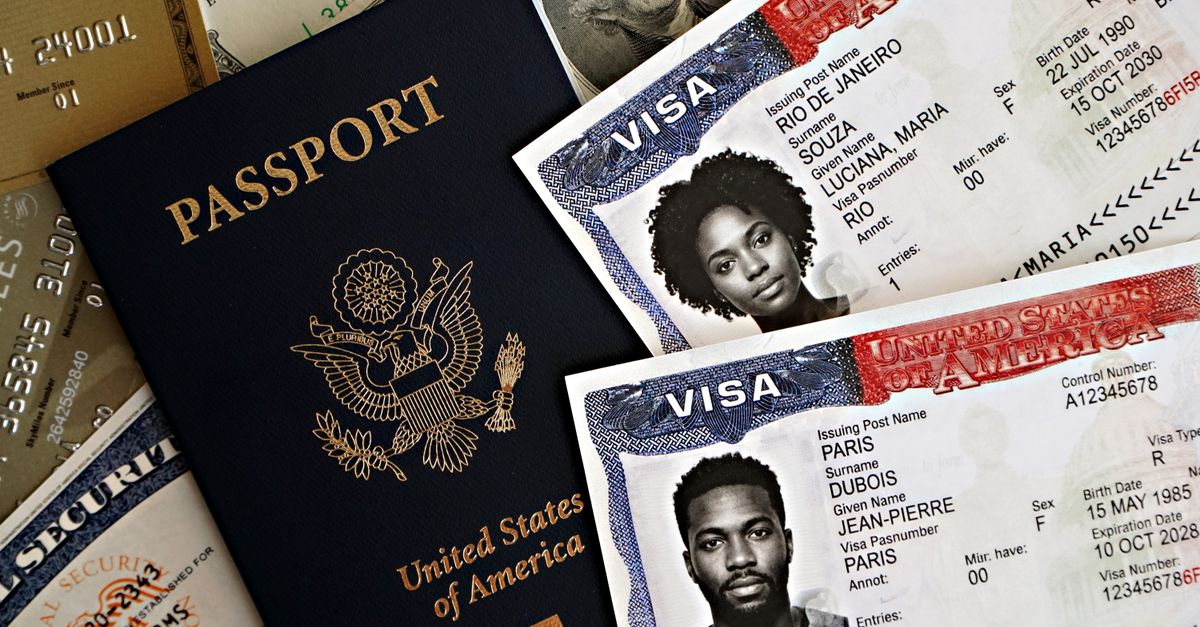
Nevis offers excellent news for most international visitors. You can enter Nevis without a visa for short tourist stays. Most nationalities enjoy visa-free access to this beautiful island. The Nevis visa entry process is straightforward and hassle-free. You simply arrive with valid travel documents and obtain tourist permission upon arrival.
The island welcomes tourists from over 150 countries without advance visa approval. This policy makes Nevis an accessible Caribbean destination. You can book your trip with confidence knowing entry requirements are simple. Immigration officials typically grant tourist stays of up to three months. Many visitors complete entry formalities in under ten minutes.
Understanding the specific Nevis visa entry rules protects your travel plans. Different nationalities may have slightly different requirements. Some countries receive longer stay permits than others. Always verify your specific country's entry status before booking. Your passport is your most important document for Nevis entry.
Nevis Visa Requirements by Nationality

Citizens from most countries can enter Nevis visa-free for tourism purposes. This includes travelers from the United States, Canada, United Kingdom, and European Union nations. Citizens from Australia, New Zealand, and South Africa also enter without visas. Most Caribbean nations enjoy visa-free access as well. Japanese, South Korean, and many Asian passport holders enter without visas too.
Citizens from India, China, and some other nations may require visas. You should check with the Nevis immigration website or your nearest embassy. Some countries have special bilateral agreements with Saint Kitts and Nevis. These agreements determine your specific entry requirements. Contact your country's embassy in the Eastern Caribbean for confirmation.
The visa-free policy applies to stays of up to three months for tourism. Business visits and longer stays may require visa approval in advance. Employment and residency visas follow completely different processes. Investors and business owners have special visa categories. You cannot change your visa status after arrival without proper authorization.
Children need their own valid passports or travel documents. Passports must be valid for at least six months beyond your arrival date. Some immigration officers may request proof of onward travel. You might need to show hotel reservations or return flight bookings. Having these documents ready speeds up your arrival process.
PRO TIP: Register with your embassy or consulate before traveling to Nevis. Many countries provide this free service through their travel advisory websites. Registration helps officials locate you quickly in emergencies. It also keeps your family informed of any travel warnings or important updates.
Entry Documents You Need for Nevis Visa Entry
Your passport is the primary document for Nevis visa entry. It must be valid for at least six months past your arrival date. Some countries require nine months of passport validity. Check your specific country's requirements before traveling. Renew your passport if it expires soon to avoid last-minute problems.
You will need to complete an arrival card upon landing. Immigration officers distribute these cards at the airport or port. The card asks basic information like your name and accommodation details. Be honest and complete all fields accurately. Keep this card safe during your stay. You need it to exit the island.
A return ticket or onward travel documentation helps immigration processing. This shows you plan to leave Nevis within the approved period. Your airline booking confirmation works perfectly for this purpose. Some travelers buy flexible return tickets before arrival. Others show return flights booked for the end of their trip.
Proof of accommodation is helpful though not always required. Hotels, vacation rentals, or family addresses work equally well. Write down your accommodation address clearly. You may need to provide this information on your arrival card. Having this detail prevents delays at immigration.
Sufficient funds for your stay demonstrate financial capability. Immigration officers rarely ask about money directly. However, demonstrating financial independence helps if questions arise. Credit cards and bank statements work well as proof. Many travelers carry a combination of cash and cards.
Travel insurance documentation is becoming increasingly important. While not mandatory for entry, travel insurance provides crucial protection. It covers medical emergencies, trip cancellations, and lost luggage. Most insurance documents fit easily in your carry-on bag. Keep digital copies on your phone as backup files.
A valid travel card or credit card helps with transactions. Nevis uses the East Caribbean Dollar currency. ATMs are available at Vance W. Amory International Airport and in the capital. Banks and shops accept major credit cards throughout the island. Having both cash and cards provides flexibility and security.
Customs Rules in Nevis

Nevis has specific customs regulations for items entering the island. You can bring personal belongings in reasonable quantities without issues. Clothes, toiletries, and electronics for personal use enter duty-free. Customs officials rarely question modest personal items. Excessive quantities of anything may trigger inspection or duty fees.
Alcohol and tobacco have import limits you should know. Visitors can bring one liter of spirits and 200 cigarettes duty-free. Additional quantities require tax payments before entry. Duty rates on alcohol and tobacco are quite high. Plan your purchases accordingly if you want to bring these items.
Fruits, vegetables, and fresh foods face strict restrictions. Live plants and seeds cannot enter Nevis without special permits. Meat and dairy products from outside the Caribbean often get prohibited. These restrictions protect Nevis agriculture and prevent pest introduction. Pack shelf-stable foods instead if bringing snacks from home.
Currency regulations exist but rarely affect tourists. You can bring unlimited amounts of East Caribbean Dollars or foreign currency. However, amounts exceeding $10,000 USD or equivalent require declaration. Most tourists never carry such large sums. Tourist spending typically involves normal vacation purchases.
Medications require proper documentation for entry. Prescription drugs must be in their original containers with your name. Pack a doctor's letter for controlled substances. Common over-the-counter medications enter without issues. Pharmacies on the island stock most standard medications if you run short.
Restricted items include weapons, drugs, and certain animals. Firearms require special import permits obtained before arrival. Marijuana and hard drugs carry severe penalties. Attempting to import these items results in arrest and prosecution. Protected wildlife and their products cannot enter Nevis either.
Customs forms require declaration of goods over certain values. Electronics like laptops and cameras should be declared. Serial numbers help prove these are personal items you're taking out. Keep receipts for expensive items you're bringing. Customs officers use these to verify items aren't for sale.
PRO TIP: Take photos of electronics serial numbers before traveling. Email these photos to yourself as backup documentation. If your laptop or camera is damaged in Nevis, you need proof of its condition. Photos also help with insurance claims if theft occurs.
Is Nevis Safe To Visit
Nevis maintains a reputation as one of the safest Caribbean islands. Violent crime targeting tourists is exceptionally rare. Most visitor incidents involve petty theft in crowded areas. Common sense precautions make Nevis very safe for tourism. Thousands of visitors enjoy safe, incident-free vacations here annually.
Tourist areas like Pinney's Beach and Charleston are well-patrolled. Police presence in main towns and resort areas is visible and effective. Local authorities prioritize visitor safety as part of their tourism strategy. Crime tends to concentrate in specific neighborhoods away from tourist areas. Visitors who stay in tourist zones rarely encounter problems.
Beach safety requires basic precautions like anywhere. Don't leave valuables unattended on sand or in parked cars. Use hotel safes for passports, extra cash, and jewelry. Swim in designated areas with lifeguards when possible. The Atlantic side has stronger currents than the Caribbean side.
Road safety involves driving on the left side of the island. Roads can be narrow with unexpected turns and livestock. Drive carefully and avoid nighttime travel on unfamiliar roads. Many taxis serve the island if you prefer not to rent a car. Local drivers know the roads well and navigate confidently.
Natural disasters like hurricanes can impact safety during storm season. Hurricane season runs June through November, peaking in September. Your travel insurance should cover hurricane-related cancellations. Nevis experiences fewer direct hits than northern Caribbean islands. The island's climate is relatively stable outside peak hurricane months.
Medical facilities provide adequate care for common issues. Alexandra Hospital serves the island's main healthcare needs. Serious injuries may require transfer to larger facilities in Saint Kitts. Travel insurance that covers medical evacuation is highly recommended. Prescriptions from home work in Nevis pharmacies with proper documentation.
Discrimination and scams targeting tourists are uncommon on Nevis. Local people are generally friendly and welcoming to visitors. Stick with established tour operators and recognized businesses. Overcharging does happen occasionally in tourist areas. Agree on prices before purchasing services or taking taxis.
Health Requirements for Nevis Travel

No mandatory vaccinations are required to enter Nevis for most visitors. However, the Centers for Disease Control recommends certain protections. Yellow fever vaccination is suggested if you're coming from endemic countries. Typhoid and hepatitis A vaccinations are also commonly recommended. Consult your doctor at least six weeks before departure.
Malaria is not present on Nevis, so antimalarial medication is unnecessary. Dengue fever and Zika virus pose minimal risks to visitors. These mosquito-borne illnesses are uncommon in Nevis. Using insect repellent and wearing long sleeves at dawn and dusk helps prevention. Most visitors experience no health issues related to these diseases.
Travel insurance with medical coverage is essential for all visitors. Your home country's health insurance may not cover treatment abroad. Medical costs in the Caribbean can be expensive without insurance. Look for plans covering emergency evacuation to larger medical facilities. Policies starting at modest rates provide crucial protection.
Sun protection is critical in tropical Caribbean climate. Apply high-SPF sunscreen every two hours, more frequently after swimming. Dehydration happens quickly in the tropical heat. Drink plenty of water throughout each day. Avoid intense sun exposure between 11 AM and 3 PM.
Water from taps is safe to drink throughout Nevis. The island has reliable water systems and treatment standards. Bottled water is available everywhere if you prefer. Ice in drinks is made from treated water so it's safe. Most visitors have no water-related health problems.
Medications you use regularly should come from home. Pack them in original containers with prescription labels. Bring extra quantities beyond your expected stay in case of delays. Local pharmacies may not stock your specific medications. A letter from your doctor helps explain any controlled substances.
Travel Insurance for Nevis
Travel insurance provides essential protection for Caribbean trips. Medical coverage should be your primary insurance concern. Emergency evacuation costs can reach tens of thousands of dollars. A simple injury might require helicopter transport to a larger hospital. Travel insurance covers these extreme medical scenarios.
Trip cancellation insurance reimburses prepaid costs if you must cancel. Deaths, serious illnesses, or injuries to family members often qualify. Some policies cover airline strikes and weather-related cancellations. Read policy details carefully to understand what qualifies. Coverage typically reimburses 75 to 100 percent of prepaid expenses.
Baggage insurance protects lost or delayed luggage. Airlines limit liability to around $2,300 per bag. Travel insurance can cover the full replacement value of your belongings. Delayed baggage coverage provides daily allowances for emergency clothing and toiletries. These provisions offer real financial protection during travel disruptions.
Adventure activity coverage is important if you plan scuba diving. Standard travel insurance excludes high-risk activities like diving. Nevis offers excellent scuba diving at sites like Oualie Beach. Adding adventure sports coverage ensures you're protected during these activities. Premium costs are minimal for this valuable addition.
Compare several insurance providers before purchasing coverage. Policy details vary significantly between companies. Some plans cover pre-existing medical conditions while others exclude them. Read all exclusions and limitations carefully. The cheapest option isn't always the best choice.
Purchase insurance within 14 days of your initial trip deposit. This timing often allows coverage of pre-existing medical conditions. Waiting longer than 14 days may eliminate this coverage. Most policies cover trips planned within the next 12 months. Checking age limits ensures you qualify for coverage.
Keep insurance documentation with your travel papers. Email copies to yourself as a backup. You'll need this information if you must file a claim. Some insurers provide 24-hour claims hotlines you can call immediately. Having quick access to these numbers helps in emergencies.
PRO TIP: Take photos of all flight confirmations, hotel reservations, and paid receipts. These documents prove your financial loss if you need to cancel your trip. Store digital copies in cloud storage accessible from anywhere. Paper copies should go in your carry-on bag, not checked luggage.
Frequently Asked Questions About Nevis Visa Entry
Do I Need a Visa To Visit Nevis As a Tourist?
Most visitors from developed nations can enter Nevis without a visa for stays up to three months. Citizens of the United States, Canada, United Kingdom, Australia, New Zealand, and European Union countries enjoy visa-free access. Your passport must be valid for at least six months beyond your arrival date. Immigration officers grant tourist status upon arrival with valid travel documents. Check with your nearest Nevis embassy if your country isn't listed to confirm your specific requirements.
How Long Can I Stay in Nevis Without a Visa?
Visa-free tourists typically receive three months of tourist permission upon arrival. Immigration officials stamp your passport with an exact departure date. You cannot legally extend this stay beyond the authorized period without applying for a visa. Remaining on the island past your authorized departure date violates immigration law. If you need to stay longer, you must request an extension before your current authorization expires. Contact Nevis immigration authorities at least two weeks before your departure date.
What Documents Do I Need for Entry Besides My Passport?
Your passport and return flight confirmation are typically sufficient for entry. Immigration officers may ask for proof of accommodation, so have your hotel address available. Demonstrating financial ability to support yourself helps avoid complications. Travel insurance documentation isn't required but shows responsible travel planning. Fill out your arrival card completely and honestly before reaching immigration. Keep your arrival card with you throughout your stay as you need it for departure.
Are There Any Health Requirements or Vaccinations Needed for Nevis?
No mandatory vaccinations are required for entry to Nevis for most visitors. However, the CDC recommends yellow fever vaccination if coming from endemic countries. Typhoid and hepatitis A vaccinations are commonly recommended for Caribbean travel. Consult your doctor six weeks before departure for personalized recommendations. Malaria is not present on Nevis, so antimalarial medication is unnecessary. Travel insurance with medical coverage provides crucial protection despite excellent local healthcare.
What Can I Bring Into Nevis Without Paying Customs Duties?
Personal belongings like clothing, toiletries, and electronics for personal use enter duty-free. You can bring one liter of spirits and 200 cigarettes without duties. Fresh fruits, vegetables, and meat products face strict restrictions. Medications in original containers with prescriptions are permitted. Declare expensive electronics or jewelry to prove you're taking them out. Weapons, drugs, and protected wildlife products are strictly prohibited and result in criminal prosecution.
PRO TIP: Pro Tip Start your Nevis trip planning at least eight weeks before departure. This timeline allows you to renew your passport if necessary, get recommended vaccinations, and purchase comprehensive travel insurance. Book flights and accommodations early to get better rates and more flexibility. Having eight weeks provides a comfortable margin for any unexpected changes to your plans while ensuring you don't miss crucial preparations.