Last updated:
Nevis scuba diving offers world-class underwater experiences in the Lesser Antilles. This 93 square kilometer island sits just south of Saint Kitts and welcomes divers year-round. The warm Caribbean waters surrounding Nevis hide shipwrecks, coral gardens, and abundant marine life. Whether you're a beginner or an experienced diver, Nevis delivers unforgettable underwater adventures. The island's small population of 12,000 means fewer crowds and pristine dive sites.
Best Dive Sites in Nevis
Nevis features several exceptional dive sites that attract divers from around the world. Each location offers unique underwater scenery and marine encounters.
Redonda Banks stands as one of the most popular Nevis scuba diving destinations. This site features a steep drop-off with strong currents that attract pelagic fish. Divers encounter barracuda, trevally, and occasionally sharks. The bank rises from deep water to shallow reefs. Advanced divers appreciate the challenging conditions. Visibility typically reaches 60 to 100 feet. Tours depart from Charlestown, the island's capital.
Oualie Beach Reef provides an excellent shallow-water dive perfect for certification courses. The reef sits just 30 to 50 feet deep and stretches for several hundred meters. Colorful coral formations create a stunning backdrop. Small grouper and snapper school around the structures. This site sits directly offshore from Oualie Beach on the western coast. Boats launch from nearby dive shops within minutes. Even intermediate divers enjoy this accessible location.
Pinnacle attracts adventurous divers seeking dramatic underwater geography. This formation rises sharply from the seafloor with walls covered in coral and sponges. The peak reaches shallow water while the base drops to 80 feet. Reef fish congregate around the structure's crevices. Strong currents can occur, so timing matters. Only experienced divers should attempt this site during rough conditions.
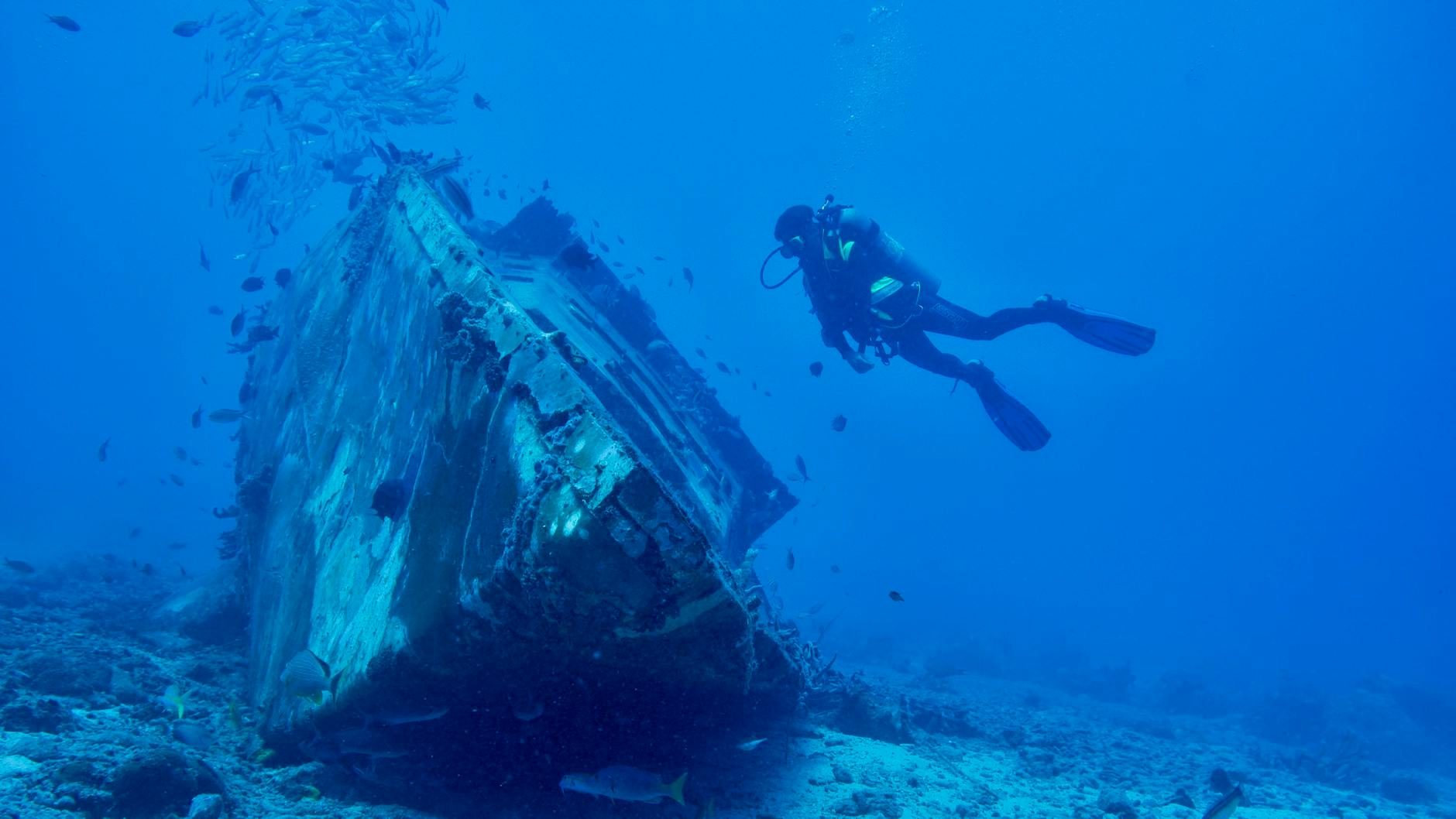
Sunken Truck offers a quirky wreck dive with historical interest. A cargo truck rests on the sandy bottom at 40 feet. The vehicle now serves as an artificial reef supporting coral growth. Fish shelter inside and around the truck. This novelty site works well for beginners learning wreck diving basics. Tours include brief historical context about the truck's placement.
Diving Around Nevis's Coastline
The island's volcanic origin created interesting underwater topography. Steep drop-offs characterize the southern and eastern coasts. Gentler slopes define the western shoreline. Most commercial diving operations focus on western sites accessible in calm conditions.
Seal Island Point marks another popular destination near Oualie Beach. The site combines coral gardens with sandy areas. Turtles frequently visit this location to feed. Rays glide across the bottom searching for food. Divers enjoy encounters with these graceful animals. The moderate depth reaches 50 feet at the deepest point.
Devil's Caves offers an underwater cavern experience for certified divers. Explore shallow underwater tunnels surrounded by coral. Nurse sharks often rest in shadowy areas. The caves range from 30 to 50 feet deep. Limited group sizes protect the delicate environment. Experienced guides lead these specialized dives.
PRO TIP: Book dives during early morning hours for the best visibility and calmer seas. Afternoon winds create choppier conditions.
Scuba Diving for Beginners in Nevis

Nevis welcomes beginners with calm, shallow dive sites perfect for learning. The warm water temperature requires only a light wetsuit. Several established dive operators maintain excellent safety records and patient instructors.
Getting Your Certification
Many divers earn their Open Water certification while visiting Nevis. Local dive schools offer PADI, NAUI, and SSI certifications. The process typically takes three to four days. Classroom sessions cover diving theory and safety procedures. Pool or confined water training introduces basic skills before open water dives. Final certification dives happen at shallow reef sites.
Oualie Beach serves as the primary training location for beginners. The reef drops gradually from 20 to 60 feet. Instructors can closely monitor students in this controlled environment. The sandy areas between coral heads provide safe spaces to practice. Local dive shops maintain equipment specifically sized for smaller divers and children.
What Beginners Should Know
Start your diving journey with realistic expectations about your abilities. Beginner divers typically dive to depths of 40 feet maximum. You'll move slowly and breathe deliberately underwater. Equalization (adjusting ear pressure) requires practice but becomes automatic. Most people master basic skills during their first few dives.
Physical fitness helps but isn't mandatory for recreational diving. Speak with your doctor about diving medical requirements. Pregnant women, people with heart conditions, and those with ear problems should consult specialists. Most medications don't prevent diving, but some do. Your instructor will review your medical history.
Bring your own mask if you have one, as personal fit matters. Rental equipment is available but bringing your regulator and computer ensures comfort. Pack a light wetsuit even in warm water to prevent sunburn and maintain warmth during extended dives.
First Dive Tips
Arrive at the dive shop 30 minutes early to reduce stress. Ask questions about anything you don't understand. Your instructor wants you safe and comfortable. Eat a light meal two hours before diving but avoid heavy foods. Stay hydrated but stop drinking water 20 minutes before your dive.
Descend slowly at the start of your dive. Pause every few feet to equalize ear pressure. Your buddy stays within arm's reach at all times. If you feel anxious, signal your instructor and ascend. Stopping a dive early is always acceptable and safe.
Snorkeling in Nevis
Snorkeling provides an accessible alternative to scuba diving for exploring Nevis's reefs. You see similar marine life without the training and equipment requirements.
Best Snorkeling Beaches
Oualie Beach offers excellent snorkeling directly from shore. Swim out 50 feet and you reach live coral formations. Colorful fish congregate in shallow water. Sea turtles occasionally visit this area. The beach has rental shops, restaurants, and restrooms. Entry is easy for families with young children.
Pinney's Beach stretches for four miles along the western coast. Snorkeling improves as you venture farther from shore. Local guides offer boat tours to the best spots. The beach itself has a relaxed, local atmosphere without tourist overcrowding. Bring snorkel gear or rent it from nearby shops.
Gallows Bay sits on the southern coast and attracts adventurous snorkelers. The reef here features pristine coral less affected by heavy tourism. Visibility reaches 80 feet on clear days. Access requires a boat since the beach is difficult to reach by land. Several operators run regular tours to this location.
Snorkeling Tour Operators
Most snorkeling tours depart from Charlestown or Oualie Beach. Tours typically last two to three hours. Operators provide snorkel gear, but bring your own mask for better fit. Tours visit multiple reef sites and usually include lunch and drinks. Many operators combine snorkeling with other activities like beach visits or nearby island tours.
Book tours through your hotel or at the beach. Prices vary but expect standard Caribbean tour rates. Tours run year-round though conditions improve May through April. Confirm cancellation policies in case weather deteriorates.
PRO TIP: Apply reef-safe sunscreen at least 15 minutes before entering the water to protect the coral ecosystem.
Dive Schools and Operators

Oualie Dive Center operates from Oualie Beach on the island's western coast. This established operator runs daily diving and certification courses. The shop maintains a fleet of modern dive boats. They offer PADI Open Water certifications and advanced courses. The dive masters have 20+ years of local experience. Equipment rental includes BCDs, regulators, and computers. The center also runs snorkeling tours and rents kayaks. Contact them to book dives one to two days in advance.
Nevis Scuba Center operates from Charlestown harbor downtown. They specialize in small group dives limited to six people maximum. This personal attention benefits nervous or beginner divers. The operators know all local dive sites intimately. They offer nitrox fills for divers with appropriate certifications. The center provides pre-dive briefings emphasizing safety and environmental protection.
What to Bring and What to Rent
Most divers bring personal masks, fins, and snorkels. These items affect comfort and safety directly. Bring your dive computer if you own one. Your logbook documents your diving history and certifications. Your dive certification card is essential for booking dives anywhere.
Rent BCDs (buoyancy control devices), regulators, and tanks from dive shops. Wet suits are available in various thicknesses. The water temperature averages 27°C, so minimal insulation is needed. Weight belts and lead weights are included in rentals.
Dive Boat Experience
Nevis dive boats range from small speedboats to larger catamaran-style vessels. Most accommodate between 6 and 20 divers. Boats depart early morning and sometimes in afternoon. The typical dive day includes two to three dives with surface intervals between. Boats provide shade, drinking water, and light snacks. Some operators include lunch on full-day trips.
Sea conditions affect boat rides significantly. Expect 15 to 45-minute rides to distant sites. Bring seasickness medication if you're prone to motion sickness. Ocean swells can make boat rides bumpy even in calm weather.
What You Will See Underwater
Fish Species
Nevis's reefs host hundreds of fish species throughout the year. Grouper and snapper are extremely common on every dive. These fish often approach divers out of curiosity. Colorful parrotfish nibble algae off coral throughout the day. You'll hear their crunching sounds underwater. Angelfish, including queen and French varieties, display stunning colors.
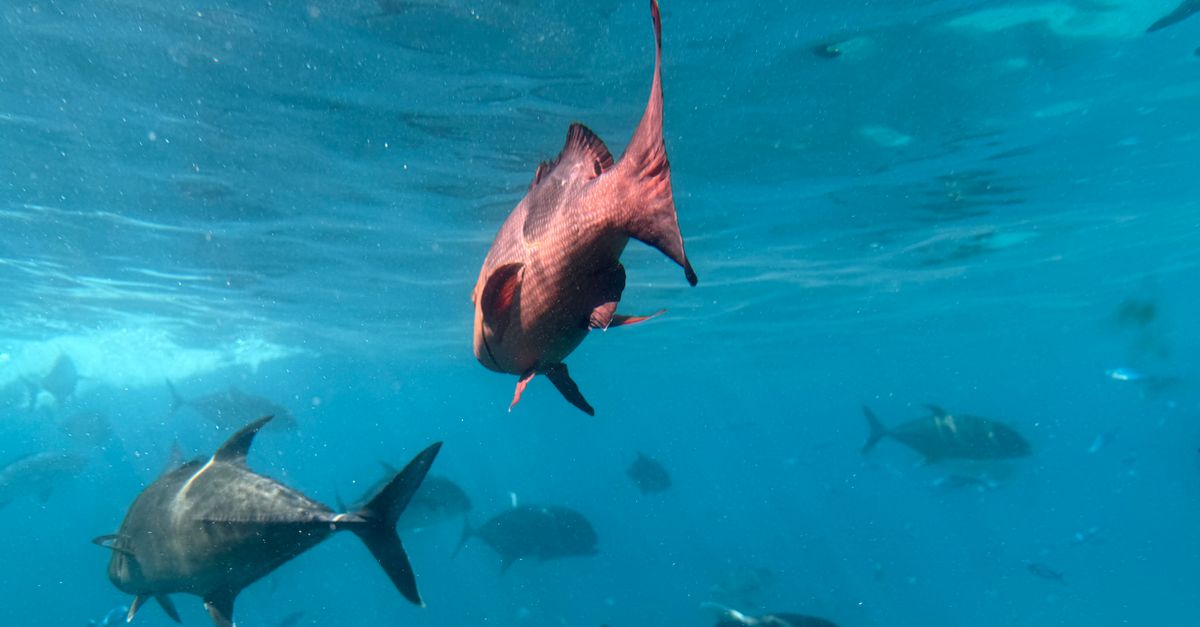
Barracuda frequent deeper sites and reef edges. These fish look intimidating but rarely approach divers. They primarily hunt smaller fish. Trevally move in schools at drop-off sites. Jacks dart quickly through the water. Trumpetfish disguise themselves among coral and seagrass. Scorpionfish remain motionless on the bottom camouflaged against rocks.
Sea Turtles and Marine Reptiles
Green and hawksbill sea turtles visit Nevis's reefs regularly. Encounters happen most often at Seal Island Point and Oualie Beach. Turtles move slowly and gracefully. Never touch turtles or chase them for photos. They stress easily from human interaction. Observe from a respectful distance and enjoy their natural behavior.
Rays and Sharks
Southern stingrays glide across sandy areas searching for food. These harmless creatures typically flee from divers. Spotted eagle rays occasionally visit in small groups. Their wing-like fins ripple beautifully as they swim. Various shark species inhabit deep areas and drop-offs. Most sharks avoid divers completely. Caribbean reef sharks are the most commonly spotted species but encounters remain relatively rare.
Invertebrates and Smaller Creatures
Sea urchins cover rocky areas with their spines. Avoid touching them as their spines cause painful punctures. Sea stars display vibrant colors across the reef. Feather stars cling to coral branches. Lobsters shelter in crevices during the day. Octopuses hide in small caves but occasionally venture out. Moray eels peek from holes but won't attack unless provoked.
Coral Formations
Elkhorn and staghorn corals create structural complexity on Nevis reefs. These branching corals provide shelter for countless fish species. Brain corals grow slowly and can live for centuries. Sea fans sway with the current. Soft corals add color with yellow, orange, and purple hues. Sponges of massive size provide additional habitat. Some sponge species reach the size of automobiles.
PRO TIP: Bring an underwater camera to document your encounters, but never use flash photography as it stresses marine life.
Best Time To Dive in Nevis
Seasonal Conditions
Nevis offers year-round diving but conditions vary significantly by season. December through May represents the dry season with calm seas and excellent visibility. Water temperatures remain warm throughout the year averaging 27.3°C. December and January see peak tourist season and higher prices. February and March offer ideal conditions with fewer crowds than winter holidays.
April and May provide excellent diving with minimal tourist traffic. The water warms up even more as summer approaches. June through November marks the wet season when afternoon thunderstorms are common. Visibility decreases during this period. Sea conditions become choppier with occasional high swells. September and October see the highest rainfall. August and November are more manageable for diving.
Hurricane Season Considerations
Nevis sits in a relatively protected hurricane zone. The island's southern latitude makes direct hurricane hits uncommon. Atlantic hurricane season runs June through November. Tropical storms cause rough seas and reduced visibility. Most dive operations maintain weather-monitoring protocols. They cancel dives only when conditions become genuinely dangerous.
Planning Your Dive Trip
Book your diving vacation during the dry season for best results. December to May offers consistent weather and calm seas. May through July provides another good option for budget-conscious travelers. Avoid September and October when weather is most unpredictable. Plan your certification course during calm weather months. Advanced divers can dive year-round but should expect variable conditions in wet season.
Book dive trips and accommodations two to three months ahead during peak season. Last-minute bookings work well in shoulder months like April, May, and November. Many hotels offer dive packages that bundle accommodation and dive trips. Compare prices between different operators and time periods.
Frequently Asked Questions
Do I Need Certification To Scuba Dive in Nevis?
Yes, you need a valid dive certification to dive independently. Most operators accept PADI, NAUI, and SSI certifications. If you're not certified, you can earn your certification while visiting Nevis. Openwater certification takes three to four days. Guest dives with instructors are also available for uncertified divers. Your instructor remains with you throughout these guided dives. Bring your certification card and logbook when diving.
What Is the Water Temperature in Nevis?
The average water temperature stays around 27°C year-round. Warmest water occurs August through October when temperatures reach 29°C. Coolest water happens February through April averaging 26°C. These warm temperatures mean minimal thermal protection is needed. A light 3mm wetsuit or rash guard prevents sunburn. Most divers dive in just swim trunks during summer months. Cold water is not a concern at Nevis unlike temperate diving locations.
Are There Poisonous Fish or Dangerous Marine Life in Nevis?
Nevis has no particularly dangerous fish species that attack divers. Lionfish possess venomous spines but actively avoid humans. Never touch any fish or marine animal. Stonefish and scorpionfish have venomous spines but are well-camouflaged and docile. Sharks present no realistic threat to divers. Most marine encounters are peaceful observation opportunities. Follow your guide's instructions and maintain safe distances from all wildlife.
How Much Does Scuba Diving Cost in Nevis?
Dive shop pricing varies based on location, boat type, and dive site distance. Standard two-tank dives cost within typical Caribbean rates. Certification courses run multi-day packages. Equipment rental is available for divers without their own gear. Snorkeling tours cost less than scuba diving. Many hotels offer package deals combining accommodation and diving. Ask operators about group discounts and multi-day dive packages for better value.
Can Beginners Dive in Nevis?
Yes, Nevis welcomes beginner divers with excellent training facilities. Shallow reef sites like Oualie Beach are perfect for learning. Certified instructors provide patient, professional training. Local dive shops offer all certification levels. The warm water and calm shallow reefs make Nevis ideal for new divers. You can earn your certification in three to four days. Experienced divers also mentor nervous beginners through their first dives.